


Kate McLean-Mackenzie, a researcher from the University of Kent, leads guided olfactory experiences known as “smell walks” in various cities.
During these walks, participants rely solely on their sense of smell to perceive their surroundings, focusing on both distant and nearby scents.
Although the concept of deliberately exploring urban areas through smell may seem unconventional to some, McLean-Mackenzie emphasizes the importance of experiencing places not just visually but also through the sense of smell.
According to McLean-Mackenzie, engaging in smell walks prompts a shift in how individuals perceive the world, encouraging them to slow down and view familiar locations from a new perspective.
Over the past 15 years, McLean-Mackenzie has meticulously documented and analyzed the olfactory profiles of 40 different towns and cities worldwide for her upcoming publication, “Atlas of Scents and Smells.”
Decoding ‘Smellscapes’
McLean-Mackenzie elucidates that she constructs “smellscapes” by synthesizing data gathered during smell walks conducted in diverse locations across the globe.
She defines a smellscape as the olfactory equivalent of a visual landscape, illustrating how it represents the aromas present in one’s immediate surroundings.
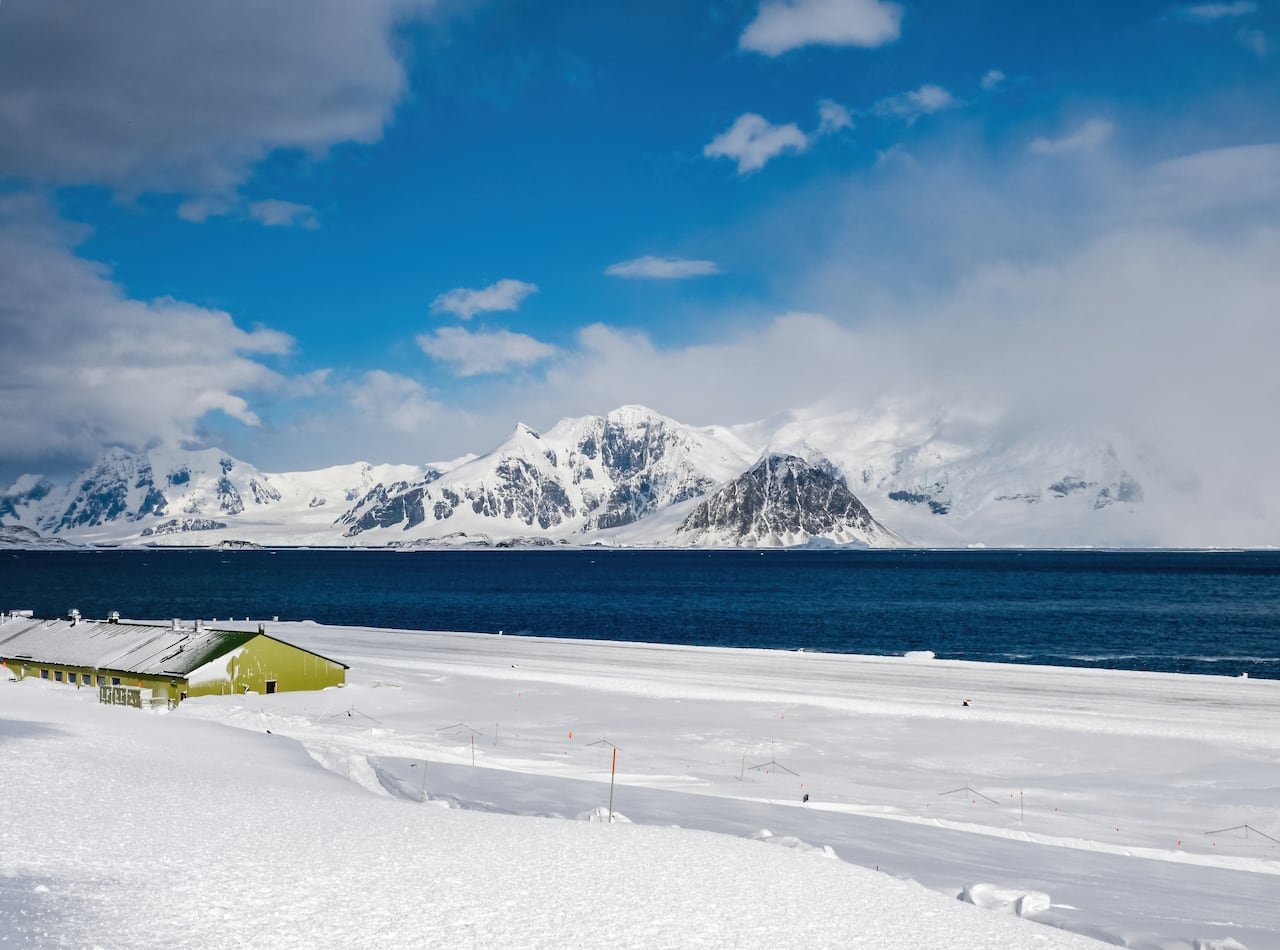
In her research, McLean-Mackenzie characterizes Antarctica’s smellscape as a blend of the pungent odor of deceased seals intertwined with the metallic scent of machinery at the Rothera Research Station.
Reflecting on her visit to Kyiv, Ukraine nine years ago, McLean-Mackenzie recalls the city’s distinctive aroma, reminiscent of its historical origins in a pine forest, combined with hints of the nearby river and occasional elements of summer during winter, such as moss and greenery.
Considering the impact of significant events like Russia’s invasion of Ukraine on a city’s olfactory profile, McLean-Mackenzie underscores the importance of preserving scent records to capture the evolving nature of smellscapes.
She emphasizes that as urban landscapes evolve due to societal and industrial changes, the olfactory characteristics of cities also undergo transformations, underscoring the value of documenting these changes visually and verbally.
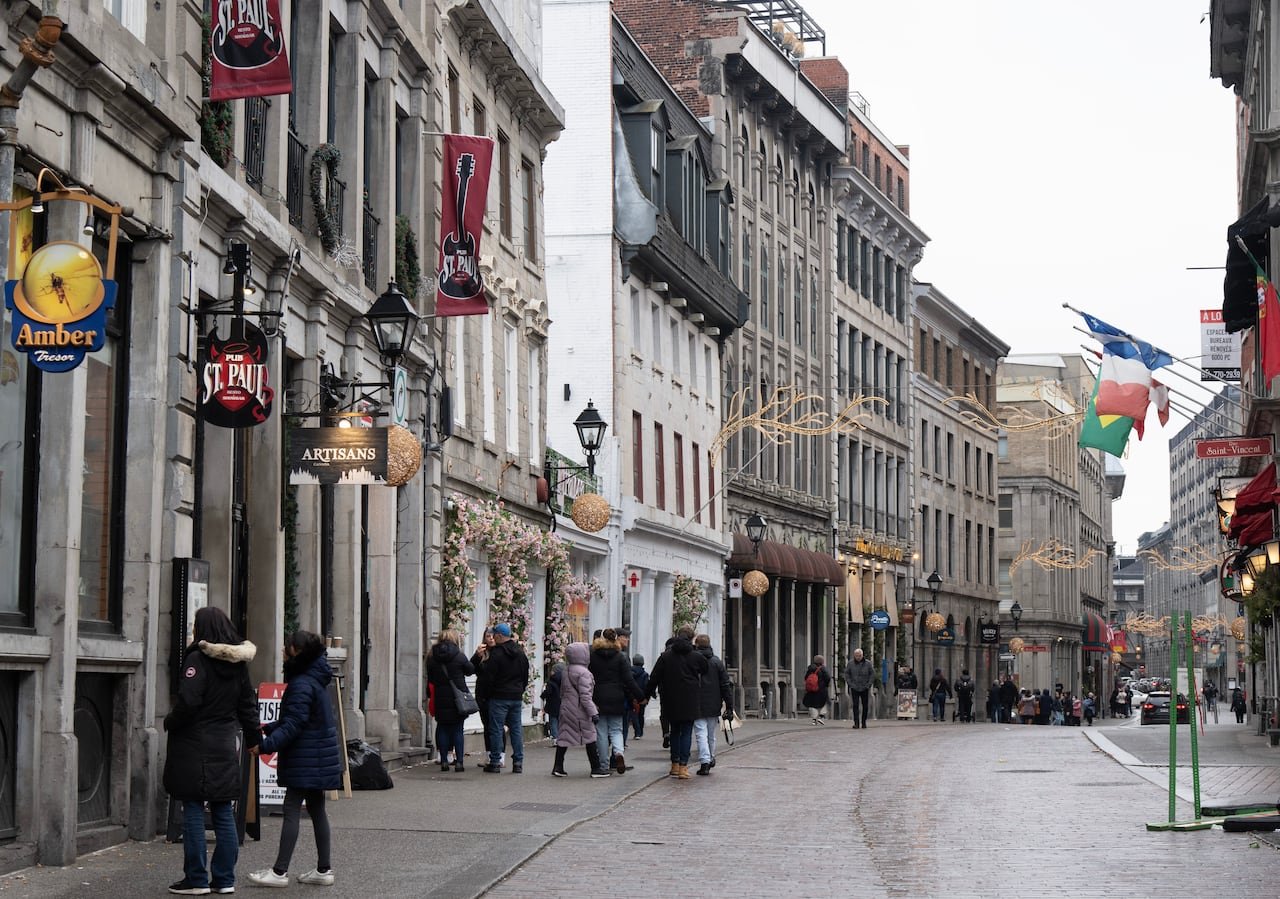
Furthermore, McLean-Mackenzie illustrates the transient nature of scents, recounting a sensory journey through Montreal early in the morning, where she encountered the initial fragrances of trees, fallen leaves, damp soil, and coffee