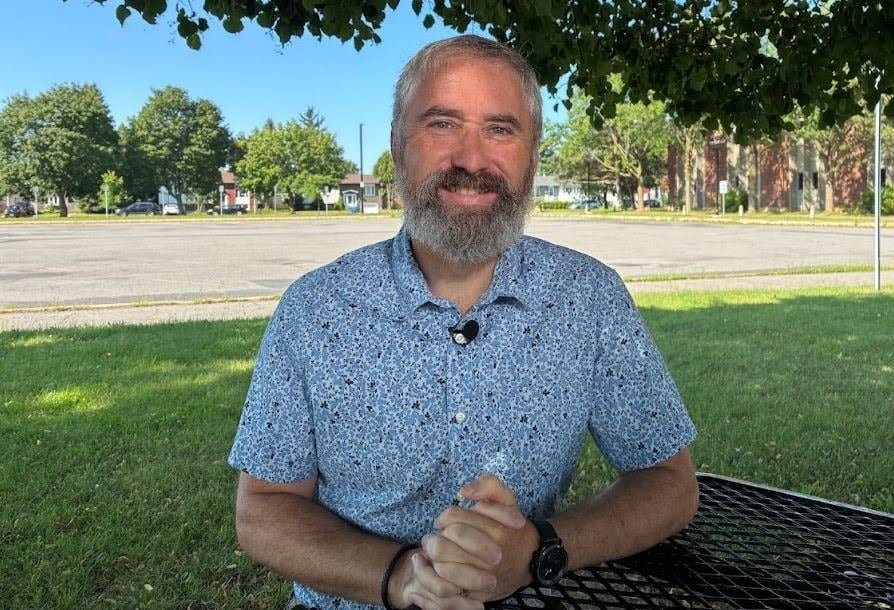

Despite facing significant challenges, 18-year-old Henry Gendreau successfully achieved his goal of pursuing animation studies at a college in Quebec.
Henry, who was diagnosed with autism and was non-verbal until the age of five, remained determined to follow his aspirations.
Expressing his excitement, the Gatineau, Quebec, teenager shared his enthusiasm for the second semester and the opportunity to establish lasting friendships, a rare occurrence for him due to his family’s frequent relocations.
However, his educational journey took a disappointing turn when the Quebec Education Ministry rejected his request for a French-language exemption from high school, leading to his withdrawal from post-secondary studies after completing just one semester.
Henry had been conditionally accepted into his CEGEP program with the stipulation that he secure an exemption from the mandatory French language requirements, which he failed to obtain due to struggling in his French classes and not graduating from high school.
While Quebec’s Charter of the French language allows children with significant learning challenges to be educated in English, the Education Ministry dismissed Henry’s exemption request.
Reflecting on the situation, Gendreau expressed his disappointment not only in losing the opportunity to acquire desired skills but also in losing valuable friendships.
Amid frustrations, Gendreau highlighted the lack of clarity in communication from the Education Ministry, emphasizing the bureaucratic hurdles he faced in grasping the reasons behind the denial.

According to Gendreau, the Education Ministry attributed Henry’s French learning challenges to his frequent class absences, ignoring his documented learning disability.
Additionally, the Gendreau family’s military background, involving multiple relocations, including to the United States where French classes were unavailable, further complicated the situation.
Gendreau acknowledged the sacrifices made but emphasized the need for understanding and compassion in such circumstances.
Expressing dismay over the absence of an appeal process, Gendreau criticized the lack of transparency in decision-making and the limited avenues for recourse.
Researcher Highlights High Barriers
Marie-Eve Lefebvre, a higher education specialist at the Université du Québec à Rimouski, underscored the formidable challenges autistic students face in seeking exemptions due to the demanding burden of proof.
Lefebvre emphasized the complexities of self-advocacy for disabled students, noting the necessity of assembling a supportive team to navigate the exemption process effectively.
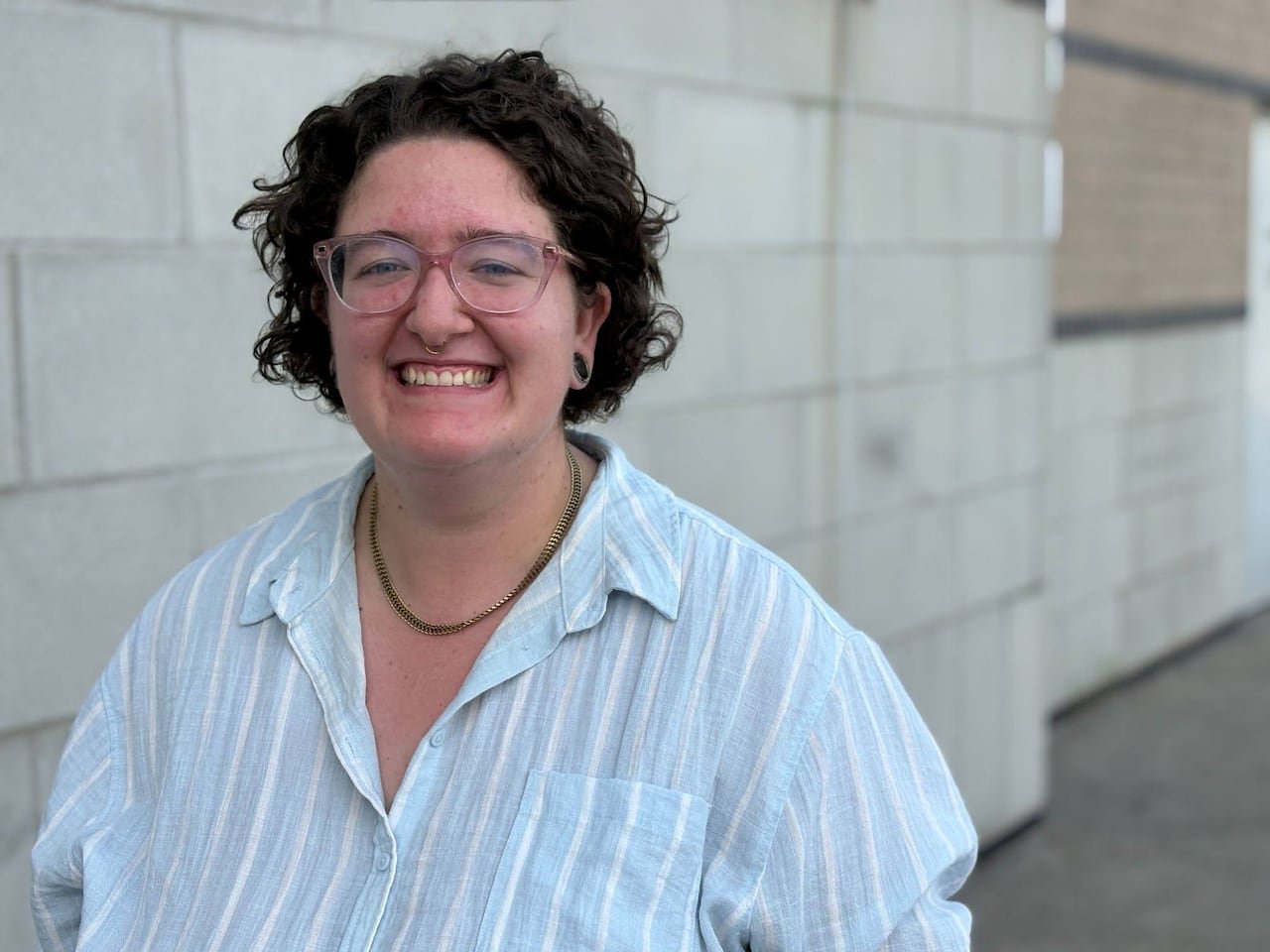
Lefebvre warned that the stringent exemption process could inadvertently convey a message of neglecting students’ needs and capabilities.
Challenges in Exemption Requests
Christopher Craig, the vice-president of the Quebec English School Boards Association, highlighted the common occurrence of rejection in exemption requests and its detrimental impact on students’ educational prospects.
Craig lamented the lack of streamlined processes despite previous promises to facilitate the exemption application process.