

While many associate cancer risk factors with sun exposure, smoking, and genetics, a new study reveals that infections play a significant role, contributing to one in eight cancer cases globally.
The research, published in The Lancet Oncology, estimates that approximately 2.3 million new cancer cases in 2024, representing 12% of all new cases, are linked to various infectious agents such as viruses and bacteria.
According to scientists at The International Agency for Research on Cancer (IARC), a part of the World Health Organization, the bacterium Helicobacter pylori is responsible for the highest number of cancer cases attributed to infections globally, particularly in eastern Asia, with 760,000 cases of stomach cancer.
Human papillomavirus (HPV) ranks next, causing nearly 750,000 new cancer cases worldwide, including cervical cancer and other types. Hepatitis B virus (HBV) and hepatitis C virus (HCV) are also linked to a substantial number of liver cancer cases.
The study expanded the list of cancers associated with infections, identifying 16 additional types. Notably, previously known infectious agents like HIV and Epstein-Barr virus were found to be linked to various cancers.
Researchers emphasized the increasing evidence of the role of Epstein-Barr virus in causing cancers such as nasopharyngeal cancer, certain gastric cancers, and Hodgkin’s lymphoma.
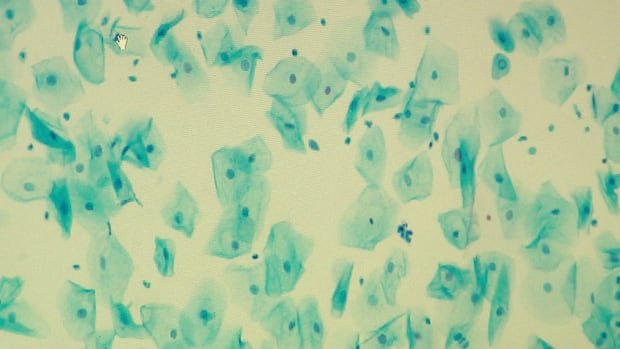
Despite the better-known risk factors like family history and smoking, infections such as HPV, H. pylori, and Epstein-Barr virus contribute to a significant portion of cancer cases globally.
The study highlighted regional disparities in cancer burden, with high-income countries showing better outcomes due to established screening and vaccination programs compared to lower-resource settings.
In Canada, a 2019 study led by epidemiologist Karena Volesky estimated that four percent of cancers are attributable to infections, translating to over 7,000 new cancer diagnoses annually.
<div class="ctaEmbedContainer-Kf20D cta