


More unfavorable news is arriving from the grocery sector.
The CEO of Maple Leaf Foods, a prominent producer of prepared meats and poultry in Canada, announced that the company intends to raise its prices once more.
During a third-quarter earnings call on Wednesday, Curtis Frank informed analysts that the business is grappling with increased costs for fuel and poultry, in addition to general inflationary pressures.
Earlier this year, Maple Leaf implemented a price increase to help counterbalance rising costs — marking the second such adjustment within a year — but it hasn’t sufficiently covered the escalating expenses.
“The level of inflation impacting our business has been greater than anticipated, and it’s accelerating,” Frank stated.
He further mentioned, “We are planning to make adjustments to our pricing in Q1,” emphasizing that the company has yet to inform customers about the specific changes, making it too early for further commentary.
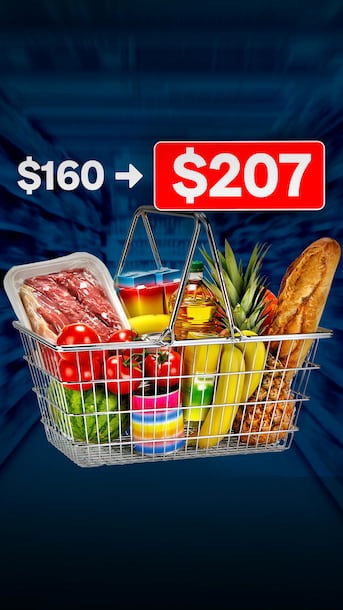
Canadians continue to face sticker shock at grocery stores, but what are the underlying reasons for the drastic increase in food prices impacting our budgets?
Consumers have been experiencing sustained high prices for food due to a mix of factors, including climate change, fuel expenses, tariffs, and retailer pricing strategies. Data from Statistics Canada reveals that grocery prices have surged by 33 percent since September 2020, according to their latest inflation report.
Much of this increase can be attributed to meat prices. For example, the cost of ground beef averaged $9.18/kg in September 2020, as reported by Statistics Canada monthly retail statistics, and by September 2026, the price rose to $16.92. A striploin that was priced at $20.73/kg in September 2020 now costs approximately $35.74/kg.
-
Inflation rises to 3.1% in September, as fuel prices push higher: StatsCan
-
Marketplace
These 5 grocery staples have skyrocketed in price this year. Here’s why
Chicken, often viewed as a more affordable protein option, has also seen price increases, largely due to rising demand and limited supply, albeit not as dramatically as beef. As of September, chicken breasts were priced at an average of $14.48/kg, up from $12.03 in September 2020. Thighs rose to $13.36/kg from $9.60 during the same timeframe.
In the fourth quarter, poultry farmers increased prices for live birds by around three percent, which Frank noted was done “with very short advance notice.”
“That equates to an eight percent increase year-over-year, which is a significant shift in the poultry sector,” the Maple Leaf Foods CEO stated.
CEO highlights growing feed and fuel costs
Moreover, fuel surcharges have surged by 17 percent since the second quarter, a change Frank described as “quite significant.”
“The primary factors are feed and fuel,” he elaborated. “Inflation and agricultural commodities are directly influenced by the global conflict situations we are witnessing.”
The ongoing closure of the Strait of Hormuz due to the Middle Eastern conflict has disrupted oil shipments from the Gulf, leading to increased prices for fuel and essential inputs like fertilizer and animal feed.
This is compounded by general inflation affecting “almost all other aspects: labor, packaging, and ingredients,” Frank noted.
-
Kellogg’s Rice Krispies changed its U.K. recipe, muffling its iconic snap, crackle and pop
-
Canadian food bank use hits 2.3 million monthly visits due to grocery costs: report
Maple Leaf Foods is not alone in announcing price hikes or product changes in response to rising expenses. The world’s leading consumer goods and food manufacturers, including Coca-Cola, Procter & Gamble, Nestle, and Reckitt, have all signaled that further price increases may occur next year.
In September, soup producer Campbell’s announced plans for additional price hikes. Recently, cereal manufacturer Kellogg’s disclosed that it altered its recipe in the U.K., replacing whole rice grains with rice flour due to “changing weather conditions” impacting rice quality and availability.
At the same time, usage of food banks in Canada reached unprecedented levels this year. A recent report from the Salvation Army revealed that nearly one in three Canadians are skipping or reducing meals due to the inability to afford groceries.
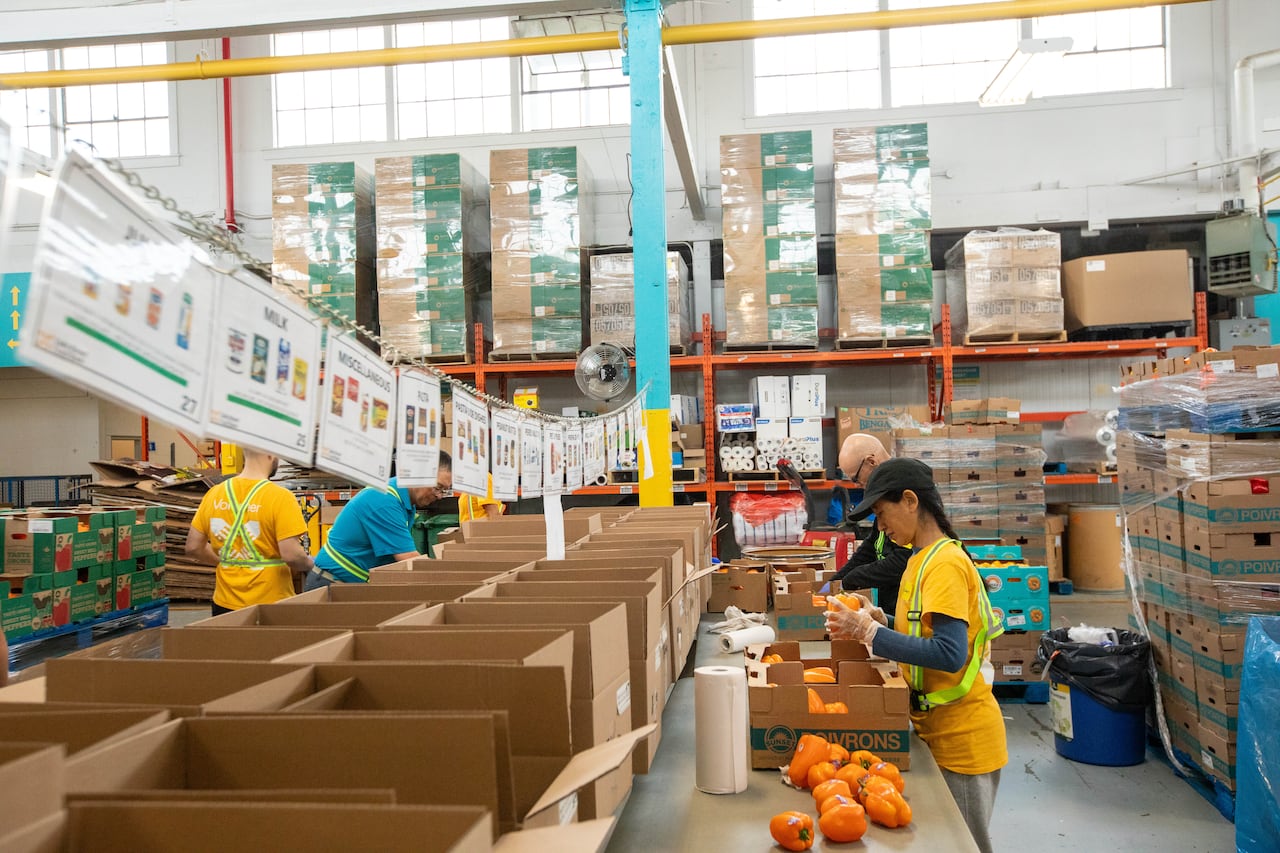
Volunteers are depicted sorting food at the Daily Bread Food Bank in Etobicoke, Ontario. This charity released its annual report, Who’s Hungry, indicating that one in eight children in Toronto now relies on food banks — nearly double the rate observed in 2022. (Alex Lupul/CBC)